Modeling the physical world
Know how it performs before you build it
Fainite's Physics AI learns from the engineering data you already have and predicts how new designs will perform, and how they will behave in production, in minutes.
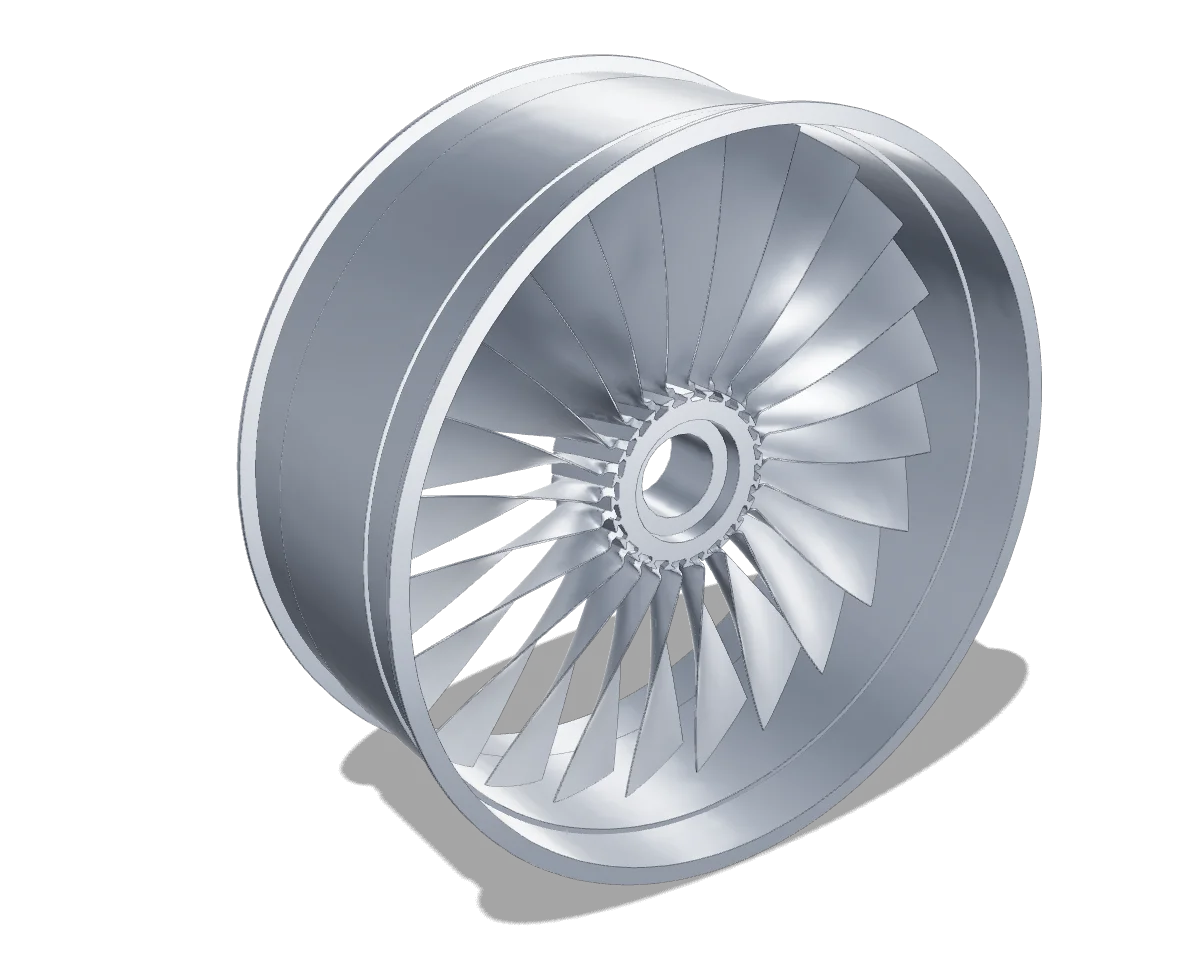
One engine for the physics behind your engineering
Fainite predicts full physical fields for new geometries, not a handful of numbers. The same prediction serves design exploration, verification, optimization and inverse problems.
Works across physics
Structural mechanics
Stress and deformation
Fatigue
Life and durability
Thermal
Heat transfer and cooling
Airflow and CFD
Ventilation and aerodynamics
Electromagnetics
Fields, losses and heating
Coupled multiphysics
Electro-thermal and thermo-mechanical
Manufacturing processes
Shrinkage, distortion and residual stress
Inverse problems
Material properties from test data
What minutes instead of hours means
Drag to choose how many design variants your team wants to evaluate, and compare the time it takes.
Based on one customer workflow: 3 to 8 hours per coupled analysis today, 3 to 5 minutes with Fainite.
Find out what your engineering data could do
Share one engineering challenge with us. We will show you where Physics AI saves the most time.